ABB Robotics
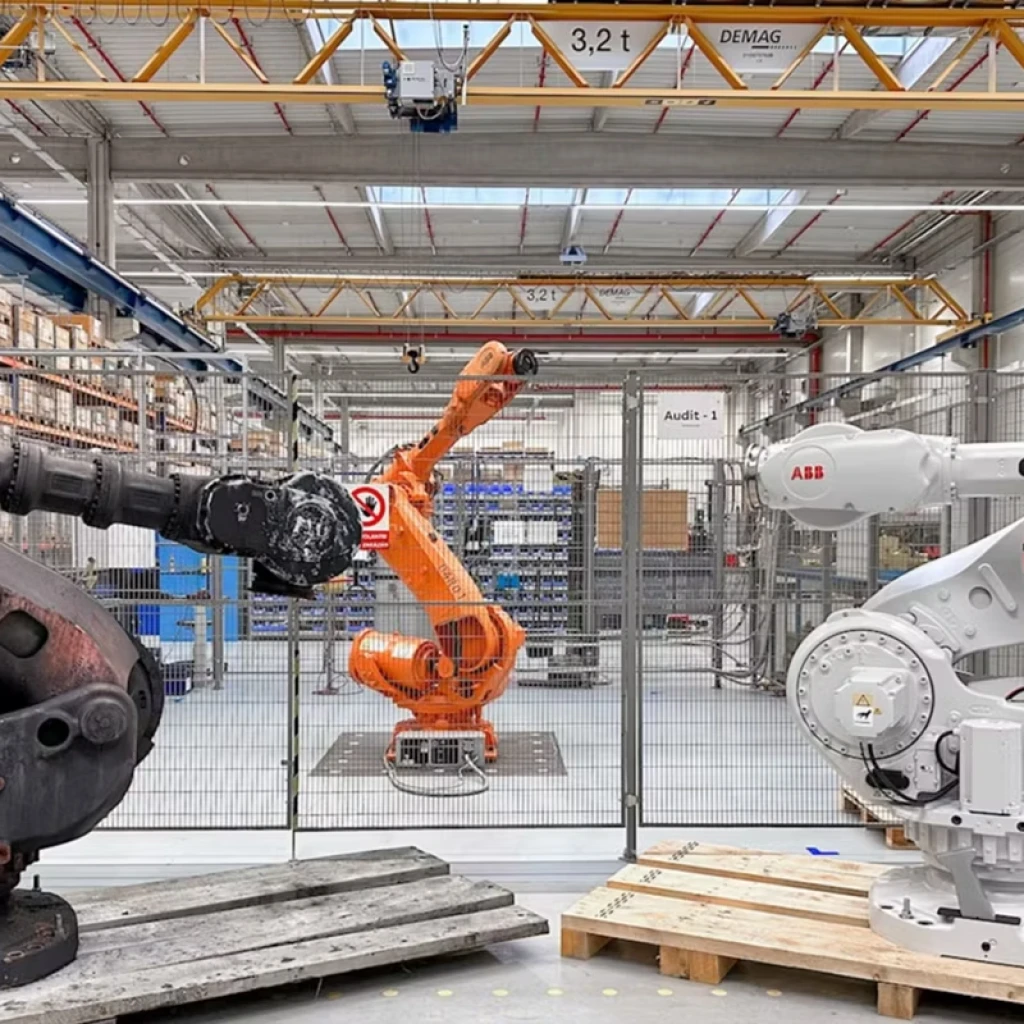
ABB Robotics restores used robots to like-new condition through remanufacturing, offering a sustainable, cost-effective choice for industrial automation.
Literature Case
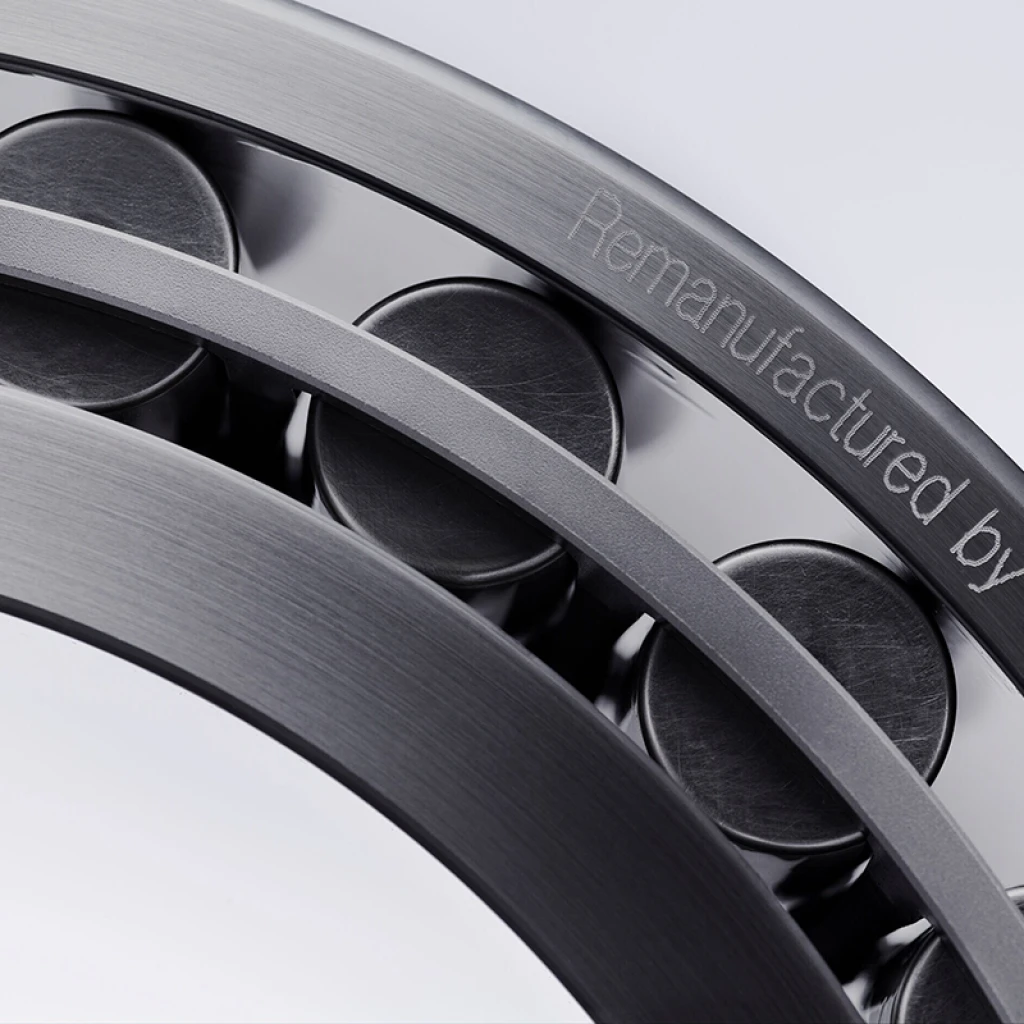
Hitachi Construction Machinery Global remanufactures mining and construction parts into reliable components with performance and warranties equal to those of new components.
Hitachi Construction Machinery is a leading global manufacturer of mining and construction equipment committed to achieving net-zero carbon emissions throughout the entire value chain by 2050. Central to this goal is their parts remanufacturing business, which has operated for about 50 years to promote resource efficiency and circularity. This activity transforms used components into products with performance and warranties equivalent to those of new components. With 23 locations across 11 countries, including Canada, Japan, Zambia, and Indonesia, Hitachi leverages a global network to deliver sustainable solutions. Their approach, "Revive, REMANUFACTURE once again," focuses on extending product lifecycles and reducing the overall environmental footprint of heavy machinery.
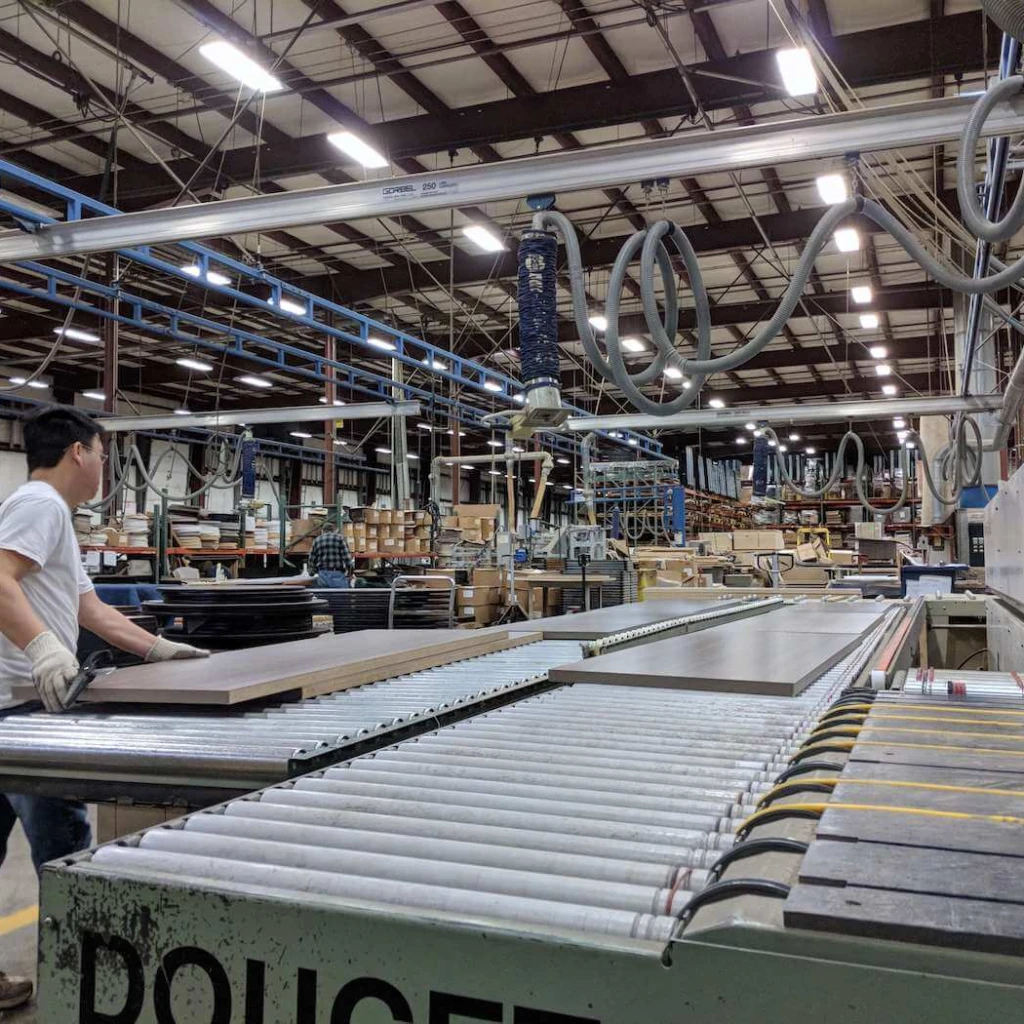
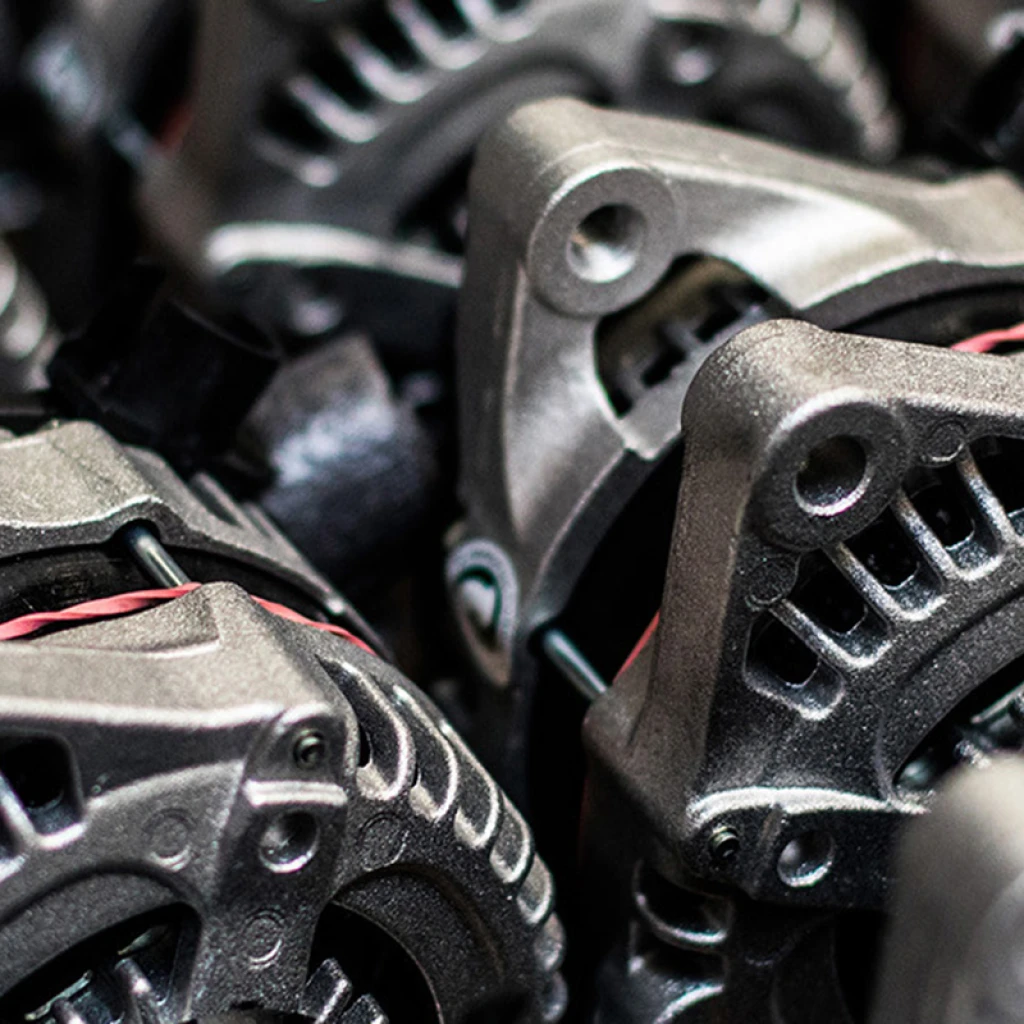
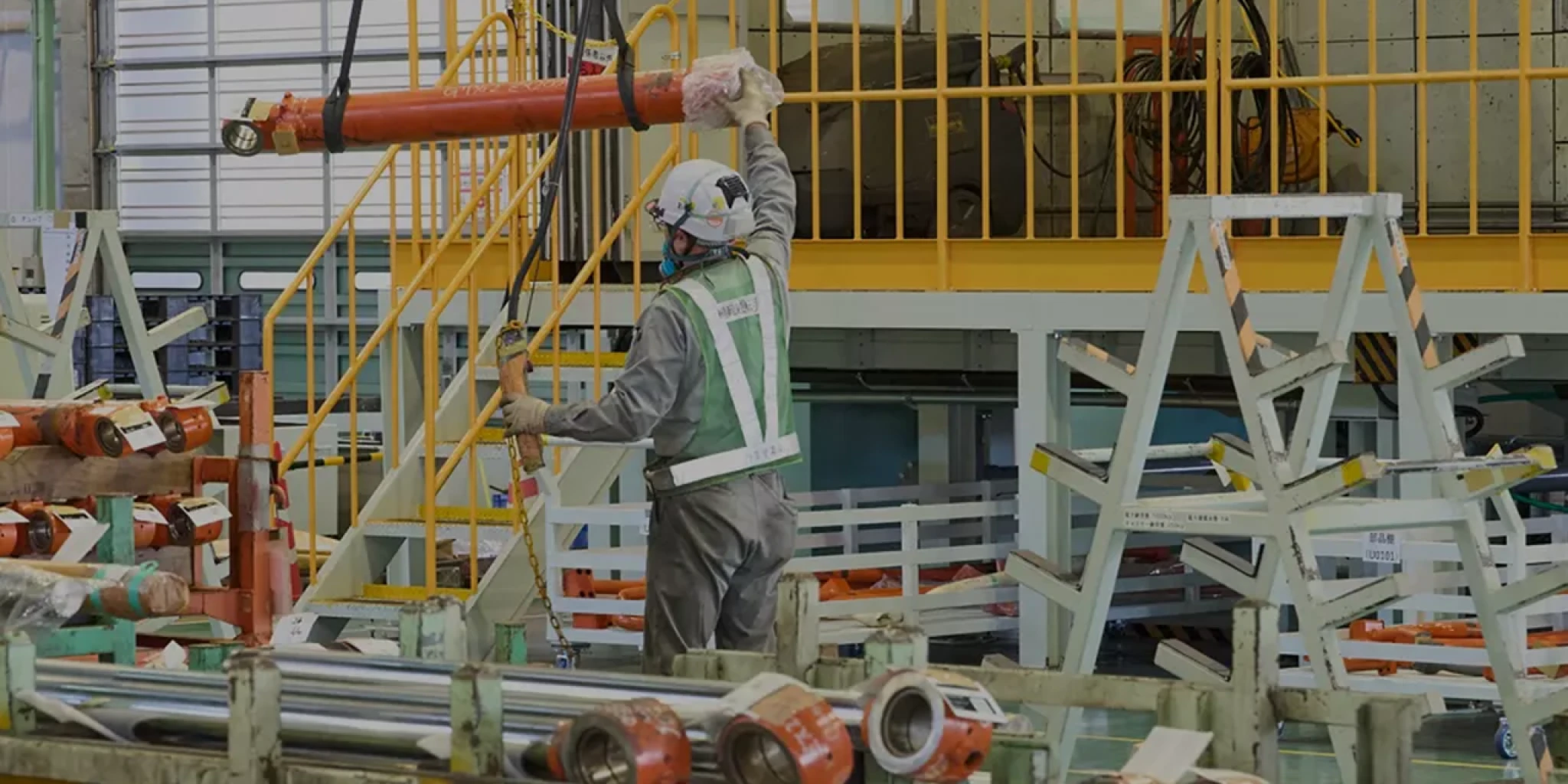
The remanufacturing process starts by collecting used cores through a global dealer network and transporting them to the remanufacturing plant. Once received, the parts are disassembled and thoroughly cleaned to remove any contaminants. Technical staff then conduct evaluations to determine which components are reusable or repairable. Selected parts are then restored and reassembled. Every unit undergoes then inspection and performance testing to ensure it meets original factory standards. Finally, parts are painted and shipped to customers.
Hitachi employs a structured take-back system in which dealers serve as collection points for used components. To ensure a steady supply of cores, Hitachi retrieve used parts from their customers’ machinery. The collection is facilitated with a range of tutorials guiding customers through a self assessment of the used parts. The logistics are then managed through the ConSite platform and dedicated online systems that track component flow in real-time. This organised circulation strengthens core availability, reduces turnaround times, and ensures materials efficiently re-enter Hitachi’s production line.
Hitachi focuses on delivering economic and environmental value through skilled craftsmanship. Remanufactured parts are sold at a lower price than new parts while providing the same manufacturer warranties. This approach mitigates customer risk by reducing expensive machine downtime in the mining and construction sectors. Environmentally, repeating component lifecycles lowers raw material needs and energy consumption. Hitachi enhances this model through global knowledge sharing and aims to significantly increase remanufacturing revenue by the end of the decade through expanded capacity and integrated factories.
Sustainability screening is embedded into remanufacturing operations through a framework that tracks resource circulation and waste intensity. The company monitors the growth rate of reused parts by weight via remanufacturing, targeting a 150% increase by 2030 (compared to 2022). An internal carbon pricing system, set at 14.000 yen per ton of CO2, is used to screen capital and research investments, prioritising projects that enhance circularity. Furthermore, annual sustainability surveys evaluate procurement partners to ensure the entire supply chain adheres to environmental standards. These screening processes guide long-term planning and investment decisions to achieve net-zero emissions by 2050.