This content is available to users only
Are you a registered user?
If so, you can sign in to the website and get immediate access.
Not a member yet?
...

Unlike reuse or repair, remanufacturing restores products to their original condition – or better. Remanufacturing is similar to refurbishment, with the important difference that a remanufactured product must comply with today’s regulations and requirements, not merely the regulations and requirements in force when it was originally produced.
Contact us if you would like to learn more about how remanufacturing can create value for your company – or if you are already considering taking the first steps. We will help you get started and clarify the opportunities available to you.
There are three ways for companies to collaborate with the reManuFactory-centre:

Companies ready for full engagement can become one of 5–10 Co-Labs. They receive extensive support from experts at all stages to develop, test, and demonstrate the technical, economic, and environmental viability of remanufacturing systems. Companies are expected to contribute approximately 1,000 working hours over a period of 2–3 years.
100–120 companies seeking shorter, targeted programmes can participate as Pilots. They gain access to project tools and methods applied to their own products. Companies are expected to contribute approximately 100 working hours over a period of 3–4 months.
20–25 companies requiring targeted expertise can participate as Drop-Ins. Drop-In offers consultancy-based collaboration tailored to company needs. Drop-Ins offer customised solutions depending on needs and goals. The number of working hours expected from companies is flexible and individually agreed upon for Drop-Ins.
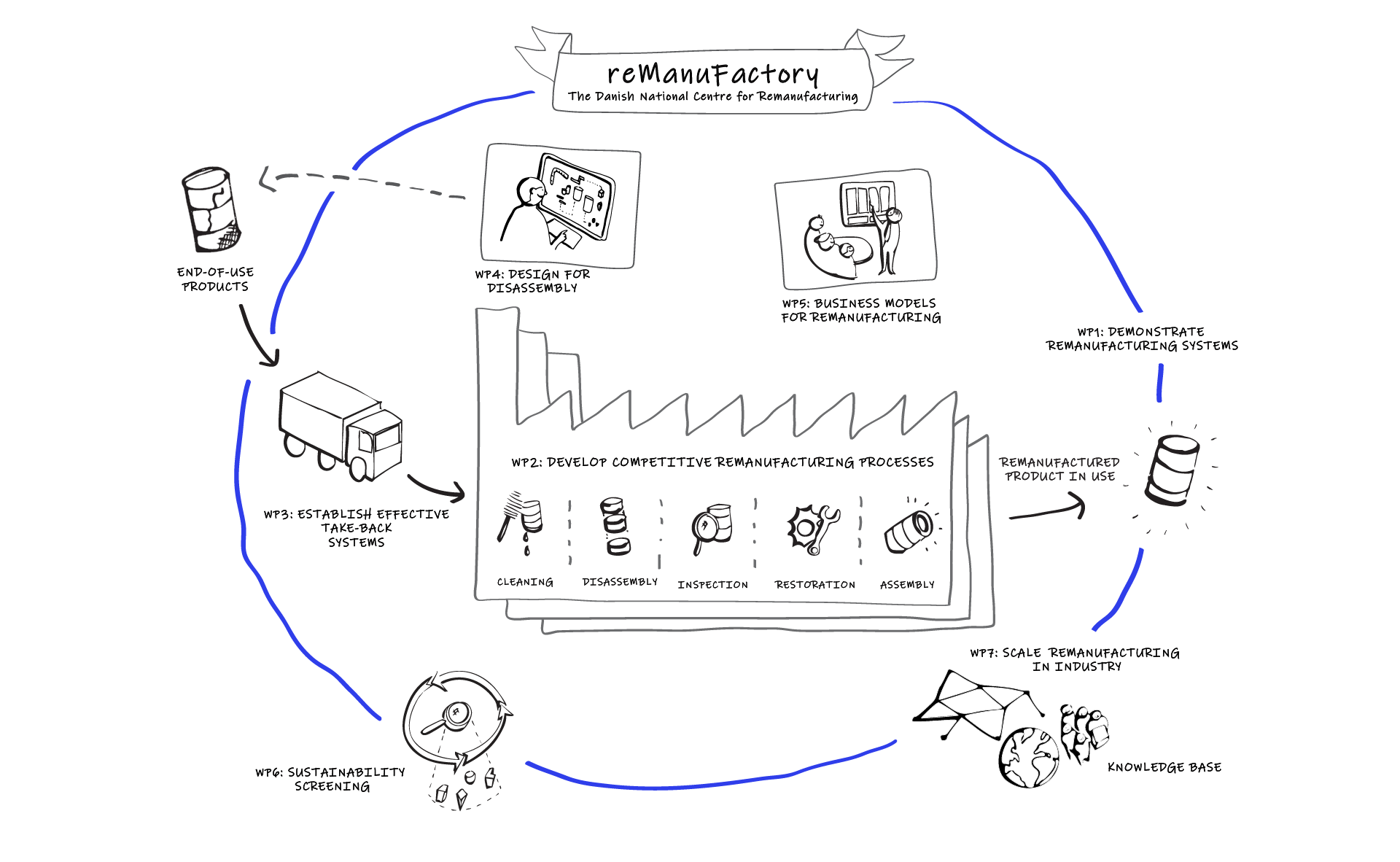
The centre covers all stages of the remanufacturing process.
The EU’s new Ecodesign for Sustainable Products Regulation (ESPR) requires a more circular approach to production in Europe. This poses a challenge for Danish companies. At present, Denmark holds the European record for waste generation – with as little as 4.2% being recycled.
This leaves a vast untapped potential for worn products to be transformed into new business opportunities. For example, export revenues from remanufactured products are expected to rise by 10% over the next three years.
And that is not the only gain to be made from preserving and adding value to existing products through remanufacturing. By remanufacturing, companies can reduce their dependence on scarce materials, cut production costs by half, significantly lower energy use and CO₂ emissions, and decrease the amount of waste generated.
50%
60%
80%
10%
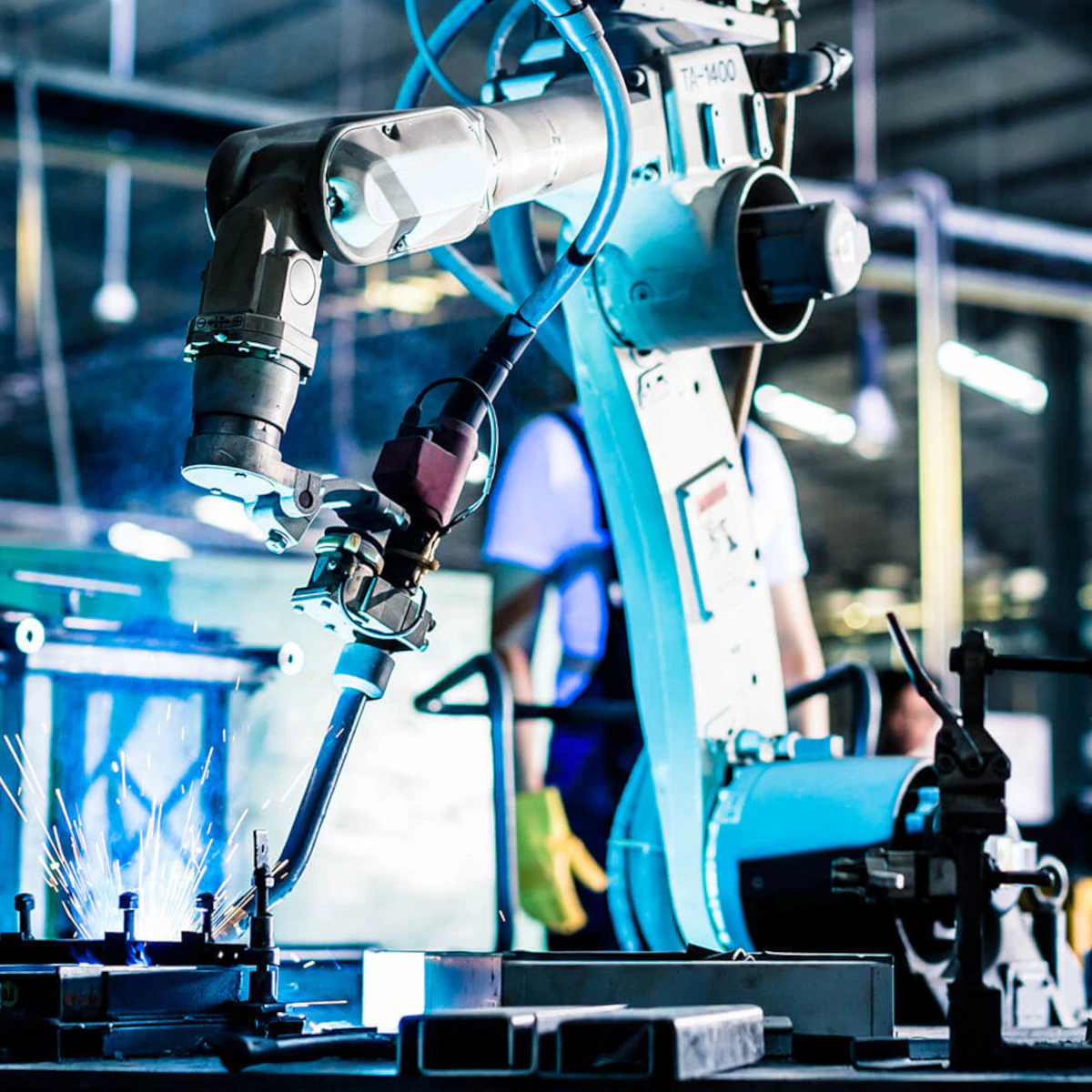
Examples include industrial pumps, compressors, automation systems, HVAC installations, and machinery. These products are often built from robust components designed for long lifespans, making them particularly well suited for remanufacturing, where systems can be upgraded and their service life extended. This is especially relevant in sectors such as manufacturing and energy, where reliability and efficiency are critical.
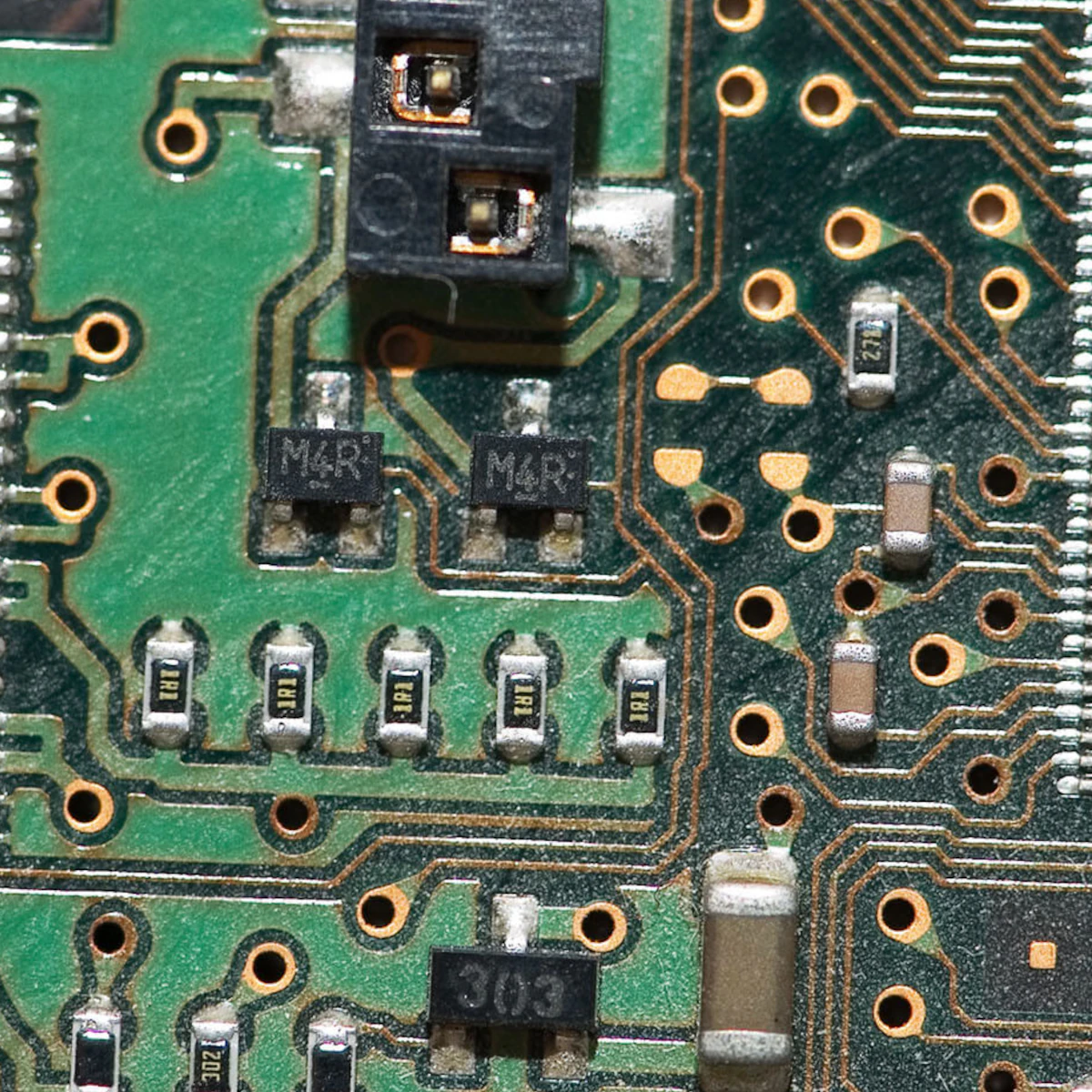
Examples include products with sensors, control systems, or embedded software. Such electronics often contain valuable materials, including rare earth elements, and consist of complex assemblies. Remanufacturing provides an attractive opportunity to extend product lifespans and reduce replacement needs, while also lowering environmental impact and material waste – something that is particularly important given the rapid pace of technological development.
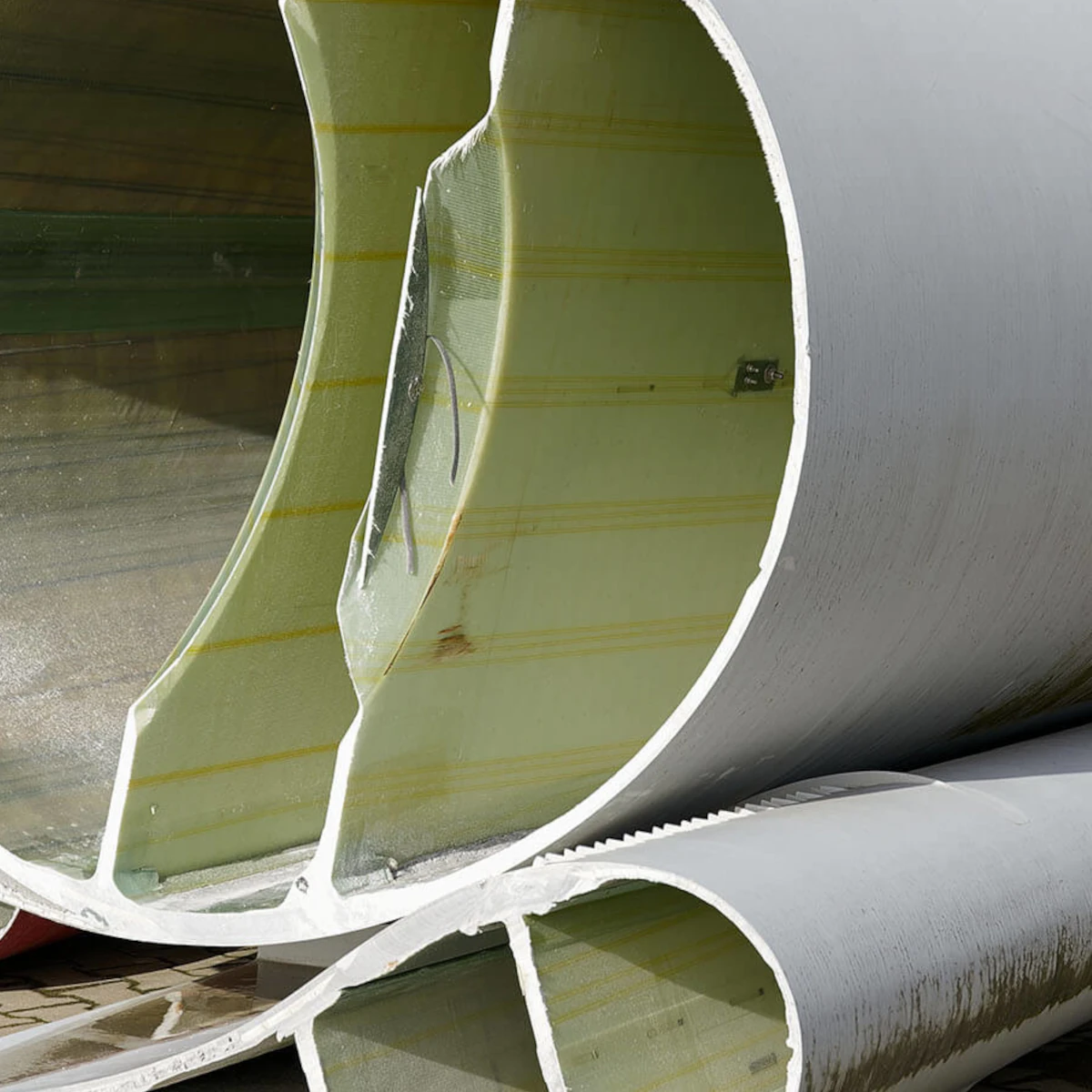
Denmark has strong expertise in advanced materials – particularly in sectors such as wind energy and medical manufacturing. Remanufacturing in this area helps preserve valuable materials and reuse the energy already invested in production. It extends product life cycles and creates value from a circular perspective.
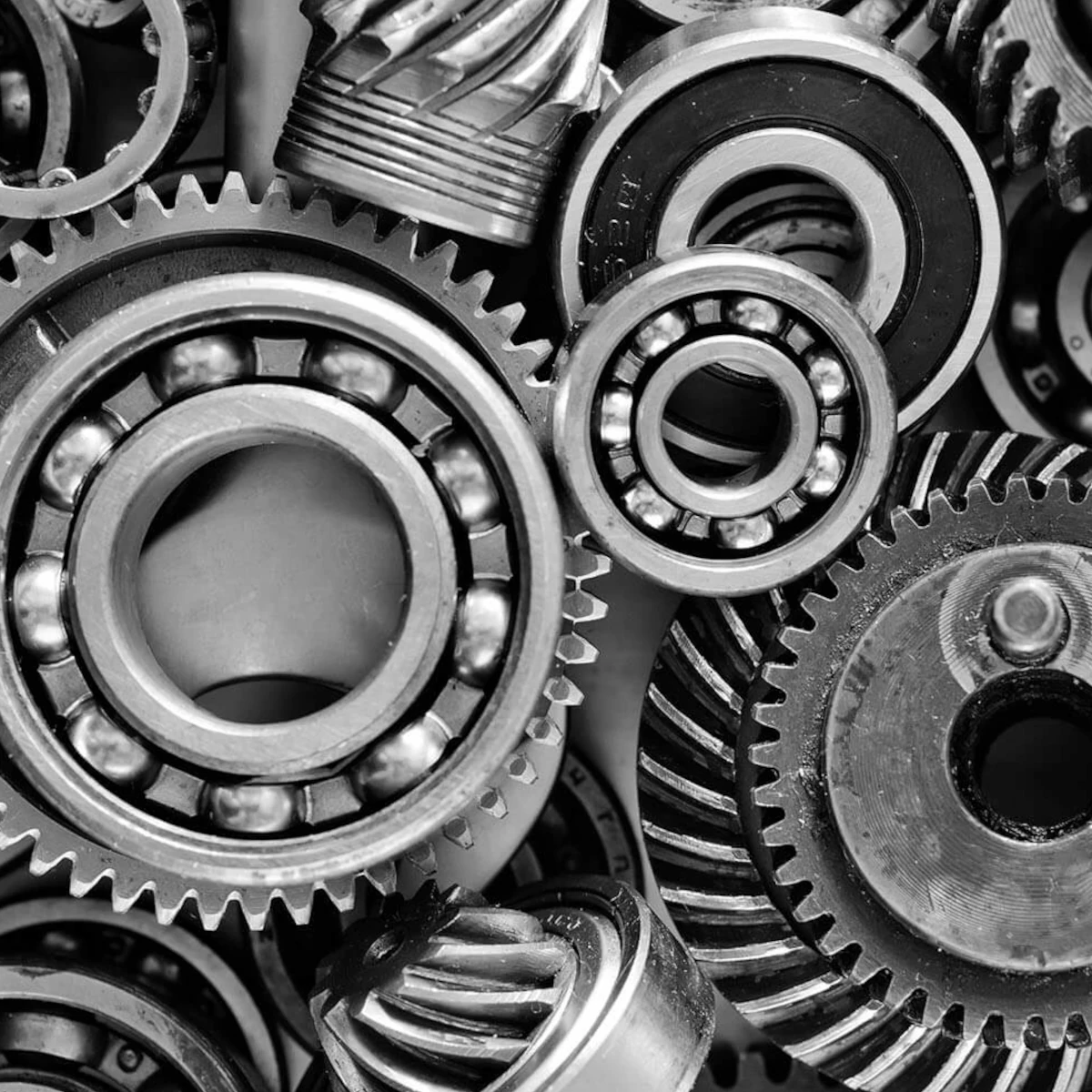
Examples include products manufactured through precision machining, stamping, or forming. These technologies are especially well suited for remanufacturing, which can reduce costs, improve resource efficiency, and lower dependence on raw materials – particularly relevant in times of fluctuating availability and prices.