Hitachi
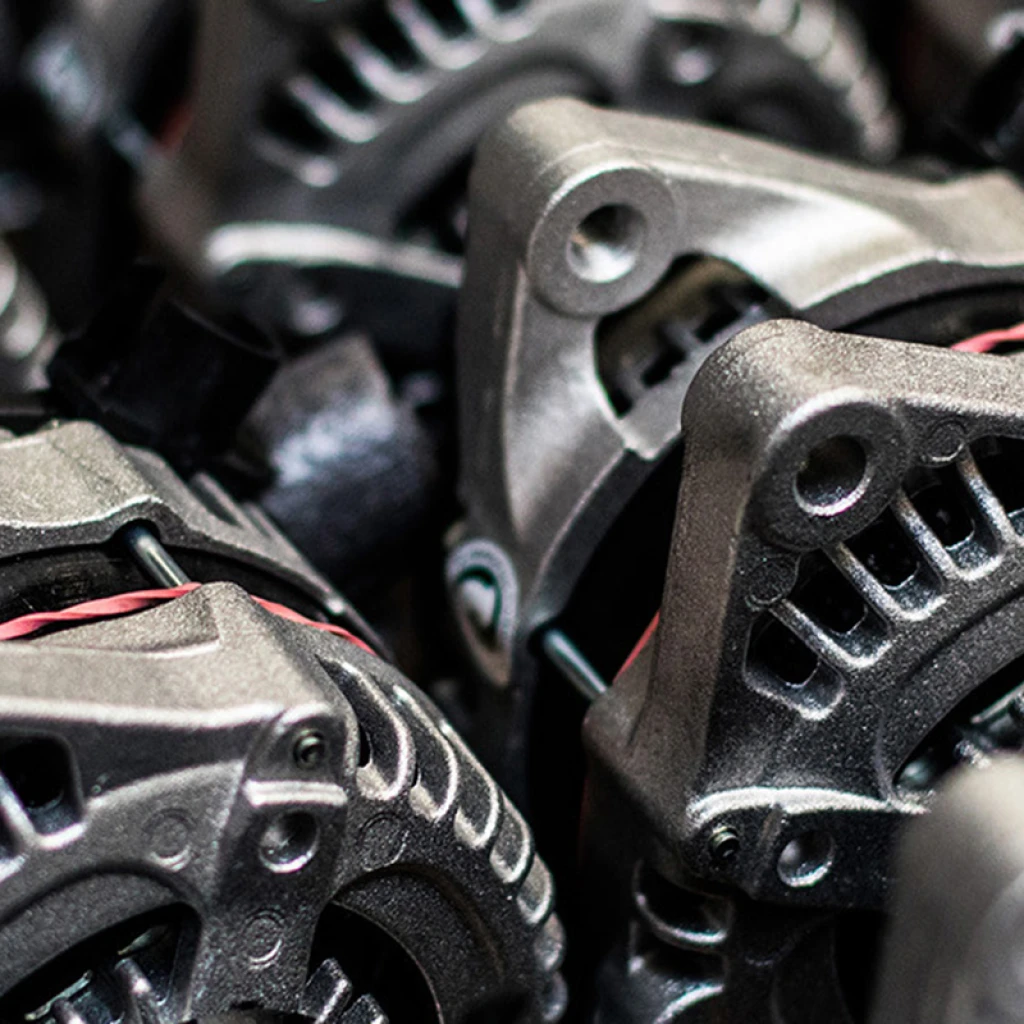
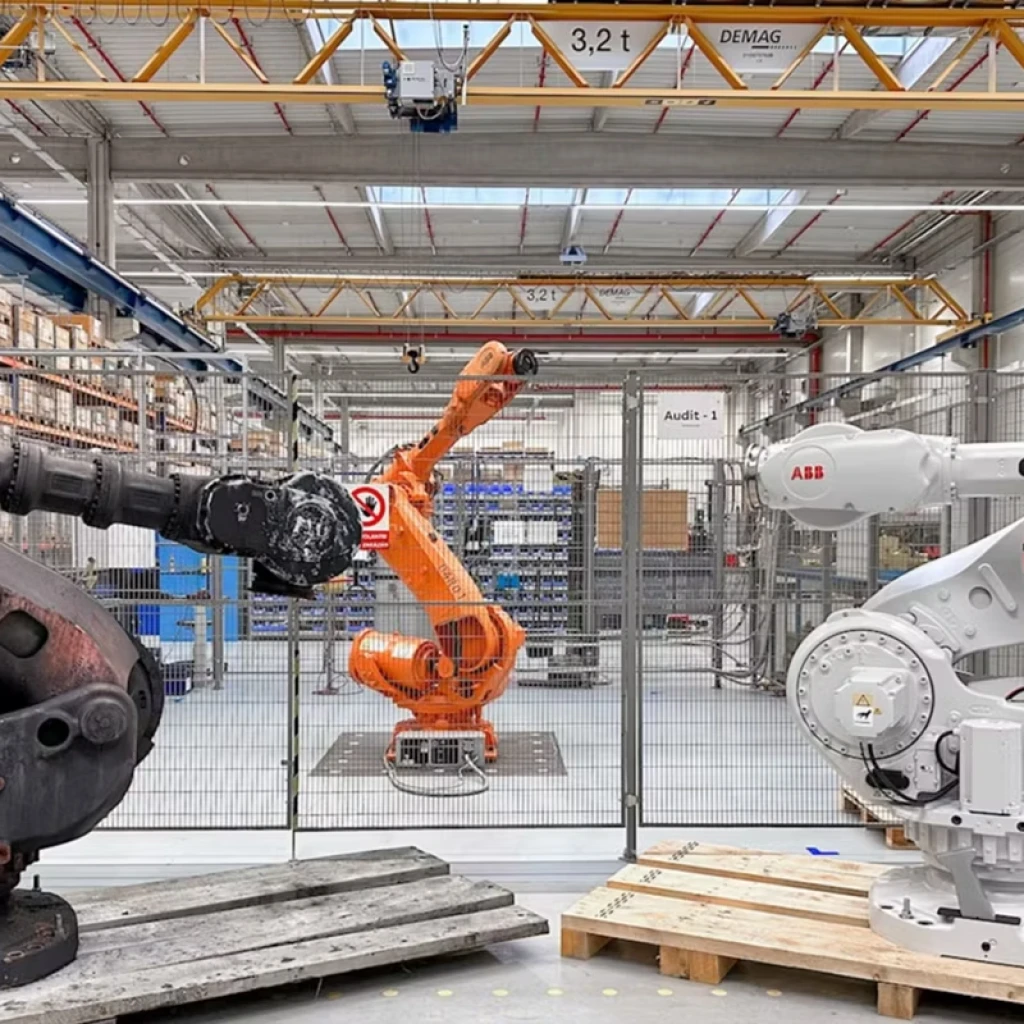
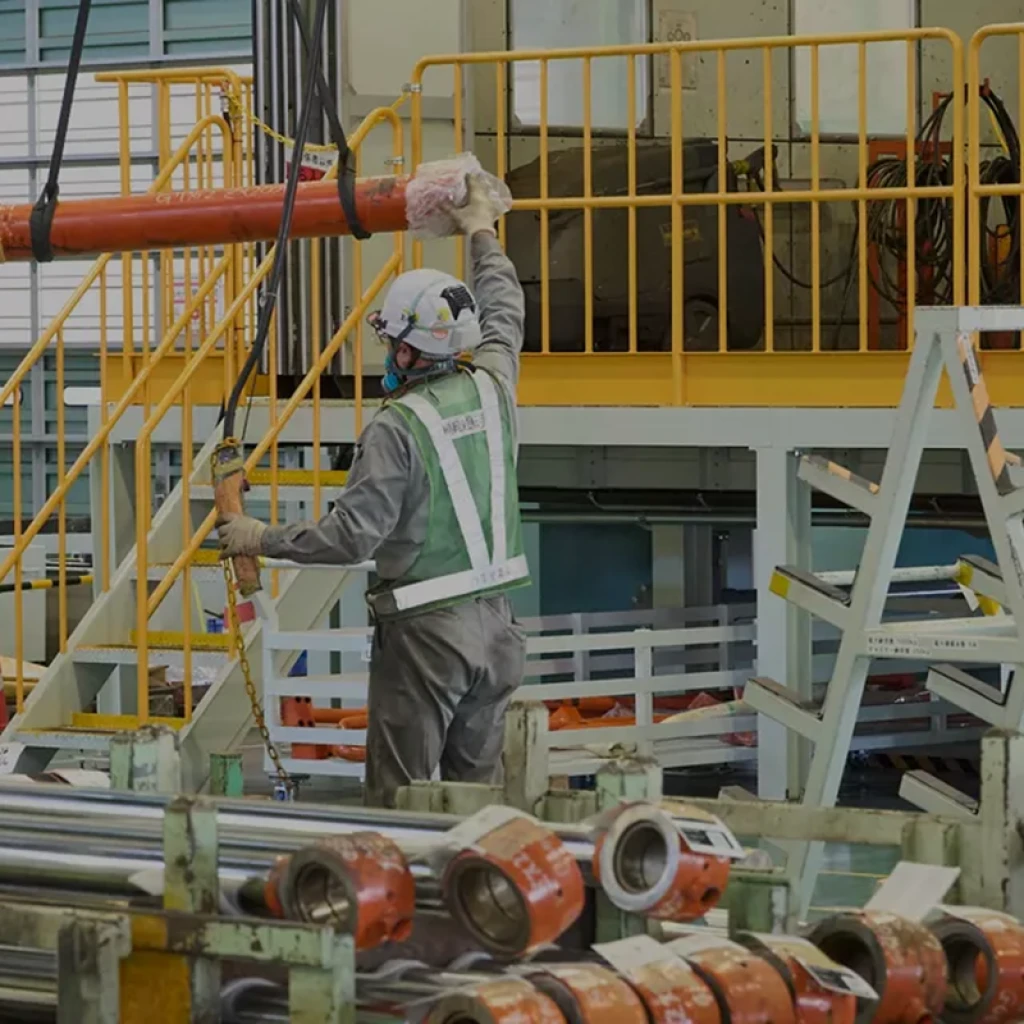
Hitachi Construction Machinery Global remanufactures mining and construction parts into reliable components with performance and warranties equal to those of new components.
Literature Case
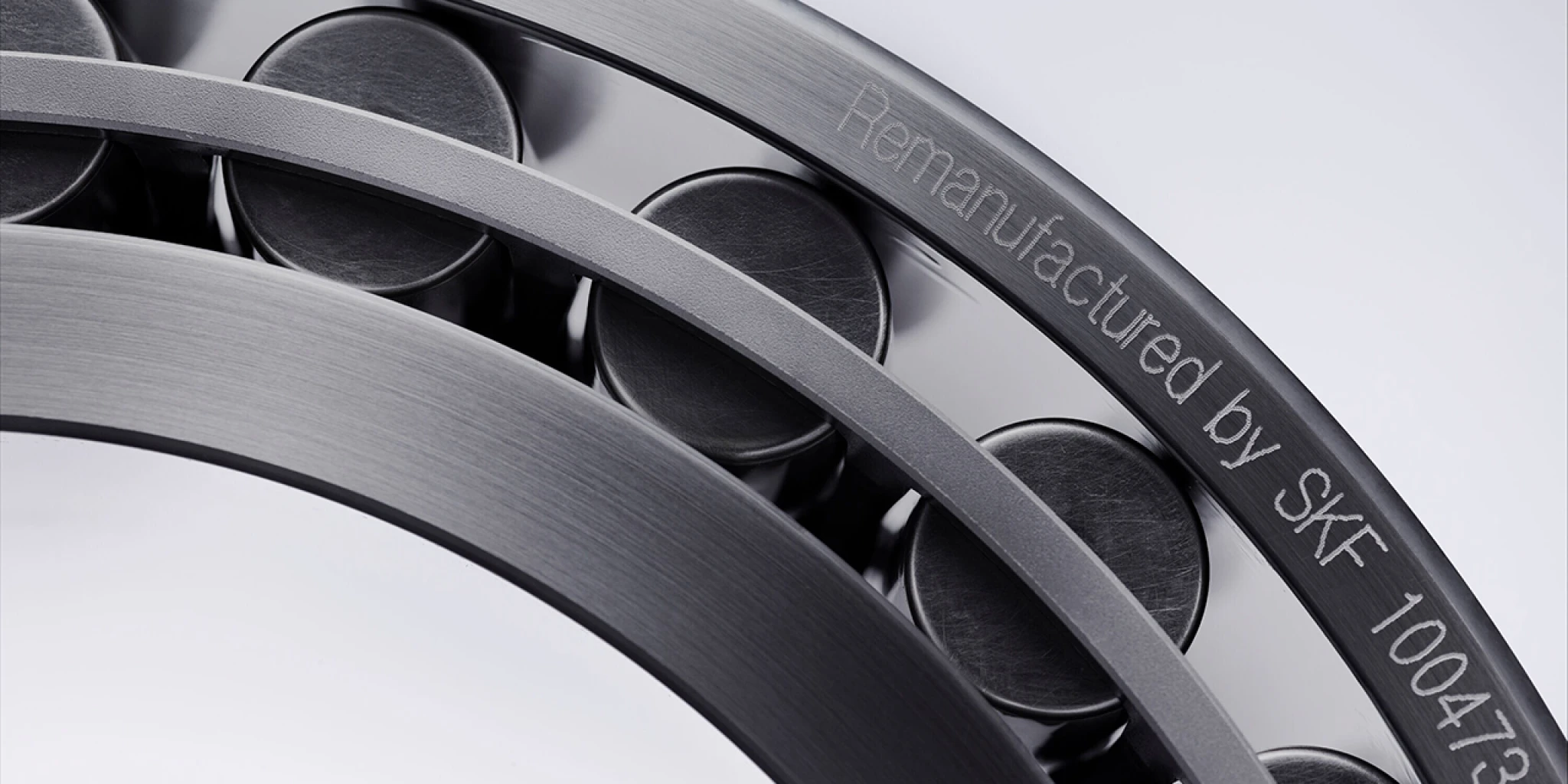
SKF remanufactures industrial rolling bearings and components, restoring performance while reducing material use through closed-loop processes globally.
Established in Sweden in 1907, SKF is a global leader in bearing manufacturing with over 25 years of experience in circular operations. The company leverages a vast international presence, employing over 37,000 people across approximately 130 countries. By managing a network of more than 20 Circular Solution Centres worldwide, SKF makes remanufactured bearings a standard, accessible choice for industrial customers. This global infrastructure allows the company to help clients extend the service life of critical assets, offering unique value and specialised maintenance insights that are only possible through a dedicated remanufacturing business model.
SKF’s remanufacturing follows a rigorous ten-step sequence to restore used bearings to original performance standards. After a customer delivers a used unit, it is registered, disassembled, and washed to remove all contaminants. Technicians then use advanced tools, including measurement inspection arms and surface inspection cameras, to identify specific damage levels. Based on this analysis, the appropriate restoration method, such as precision polishing or grinding, is chosen, and any broken components are replaced. Finally, the bearing is reassembled, subjected to intensive quality checks, marked with a matrix code for traceability and packaged for return to the customer with like-new performance guarantees.
The SKF take-back system is designed to minimise industrial downtime, offering lead times of just four to six weeks, which is significantly lower than the time required to manufacture new custom bearings. Customers ship their end-of-use bearings to one of the Circular Solution Centres located worldwide. Because bearings are highly specialised, SKF typically remanufactures and returns the exact same unit to the original customer. This closed-loop approach simplifies logistics and allows SKF to provide customers with valuable maintenance data, helping them understand the specific wear patterns and operational status of their machinery.
Design for remanufacturing is an inherent part of SKF’s engineering philosophy, particularly for custom bearings used in heavy industry. These products have historically been designed with maintenance and repair in mind, making them naturally suited to multiple lifecycles. The products are engineered for easy disassembly, allowing components to be separated and cleaned without compromising structural integrity. This focus on durability and serviceability is so effective that SKF can even remanufacture similar bearings from competitors. By prioritising these design practices, SKF ensures that its bearings can be repeatedly restored to full service-life potential.
SKF’s business model focuses on reducing the total cost of ownership by reducing footprint, price, and lead time. Remanufactured bearings are offered with the same warranty as new products, eliminating risk for the customer. This model often evolves into service-based contracts where SKF combines remanufacturing with predictive maintenance and advanced lubricants. These integrated packages allow customers to move from reactive repairs to proactive asset management. In one notable case, this collaborative approach helped a steelmaker achieve zero equipment failures while significantly cutting annual maintenance costs and inventory requirements.
Sustainability screening is central to SKF’s commitment to achieving net zero emissions by 2050. Through its sustainability partner program and science-based targets, the company works closely with customers to reduce Scope 3 emissions. SKF conducts detailed assessments to document the environmental impact of its circular initiatives, noting that remanufacturing can reduce carbon footprints and energy consumption by up to 90% compared to new production. These screenings provide verifiable data on avoided CO2 emissions and material savings. This transparency allows industrial partners to value remanufacturing not just for cost savings, but as a critical tool for meeting environmental ambitions.