BORG Automotive
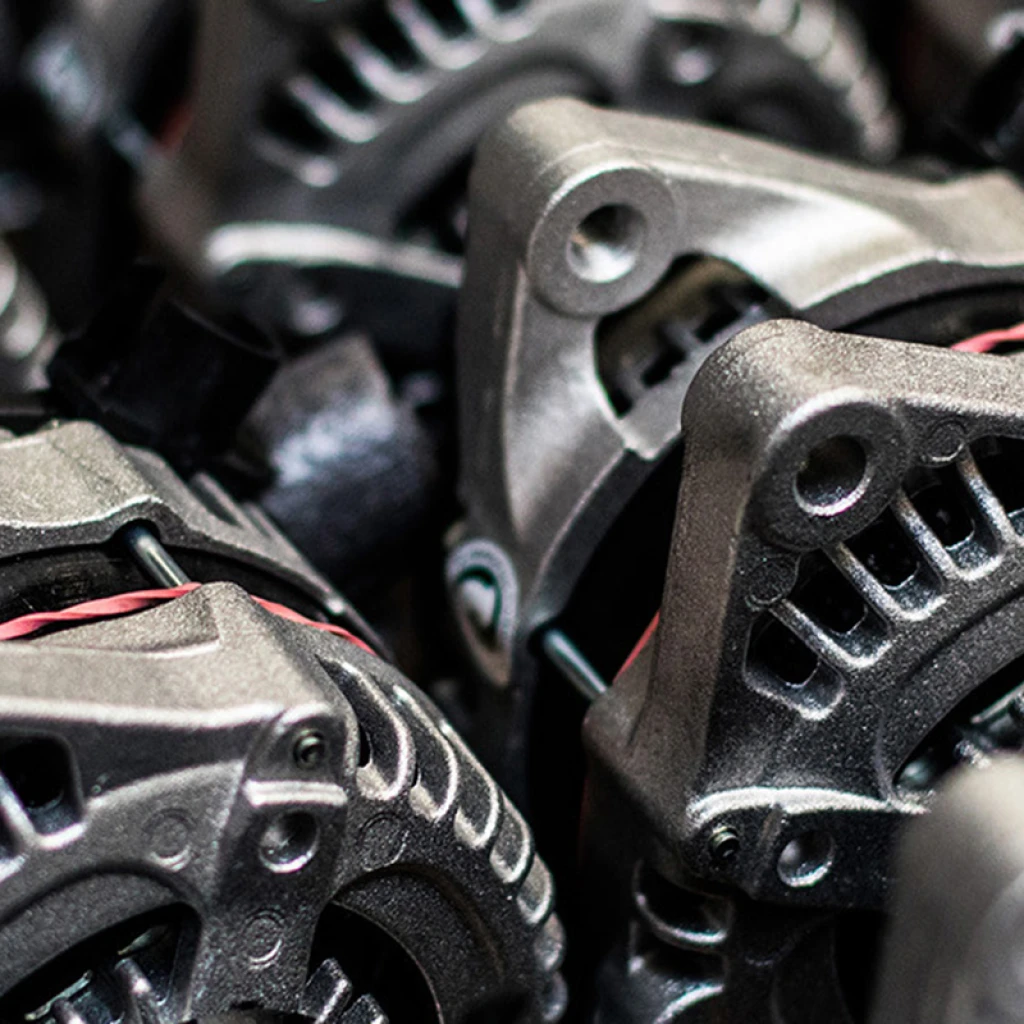
BORG Automotive remanufactures automotive starters, alternators and steering systems at scale, combining high automation with decades of aftermarket expertise.
Literature Case
ABB Robotics restores used robots to like-new condition through remanufacturing, offering a sustainable, cost-effective choice for industrial automation.
ABB is a Swedish-Swiss global leader in electrification and automation, established in 1883. Since the 1990s, the company has operated a robust remanufacturing program, giving thousands of industrial robots a second life. Currently, ABB manages six Global Remanufacture and Workshop Repair Centers located in Germany, the Czech Republic, the US, Brazil, Vietnam, and China. By integrating previously owned robots and peripherals, such as controllers, into a global circular economy, ABB has breathed new life into over 12.000 units. This allows the company to support diverse applications while providing customers with reliable, cost-effective automation solutions.
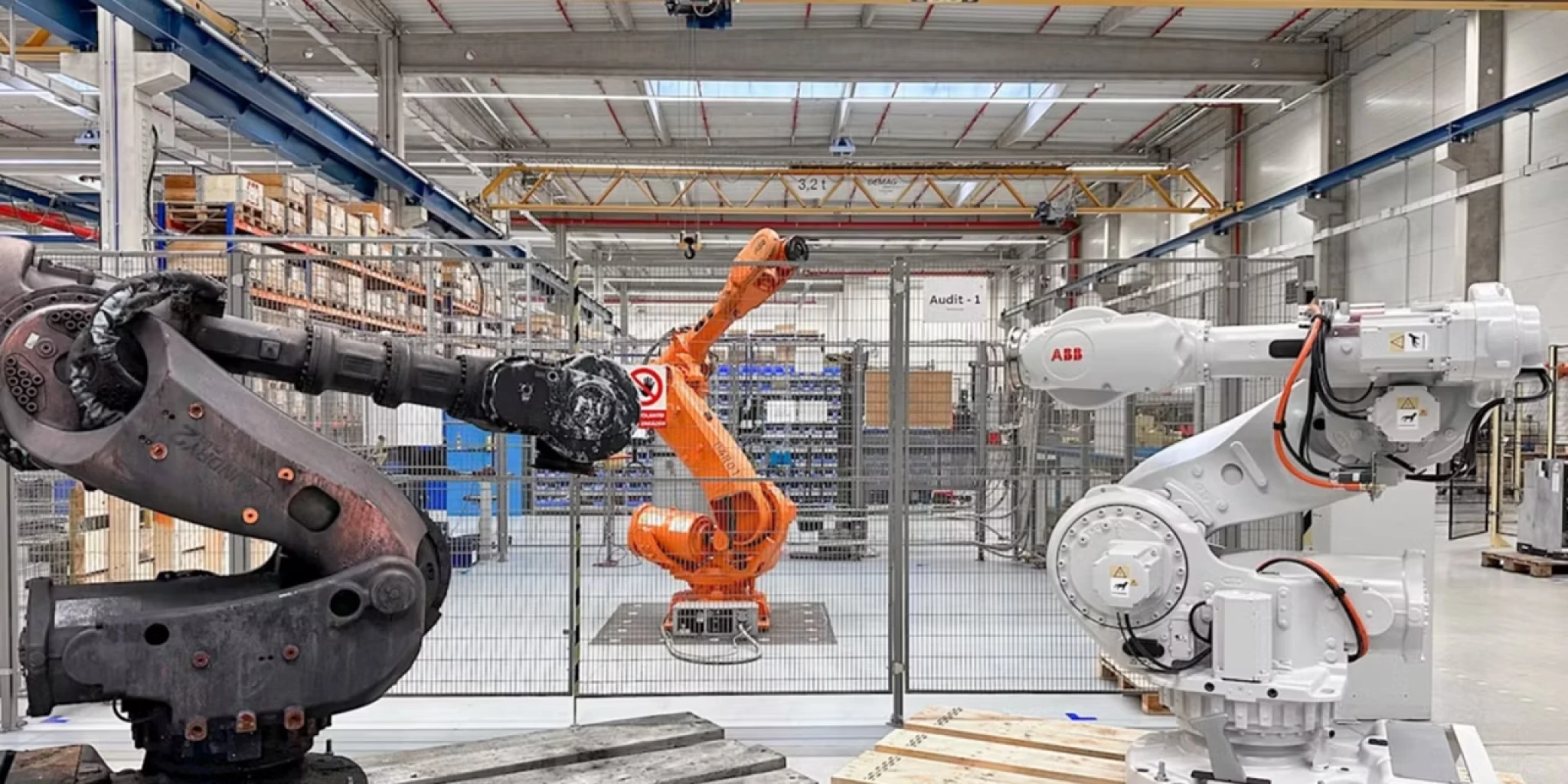
The remanufacturing process restores robotic arms to as-new condition, ensuring performance, speed, and safety equal to new models. It begins with an intensive inspection featuring 152 checkpoints to develop a specific remanufacturing plan. Units are cleaned and then repaired or maintained using Original Equipment Manufacturer parts, ensuring certified quality. Every robot undergoes a rigorous 16-hour functional test and calibration process before being repainted and finalised. To guarantee reliability, refurbished units come with a minimum 12-month warranty, though some certified processes offer up to 24 months of coverage.
ABB utilises a streamlined buy-back program to reclaim equipment that is no longer in use or ready for an upgrade. Customers provide the robot's serial number, operating hours, and photographs to initiate a professional assessment. Once a price is agreed upon and a purchase order is finalised, ABB manages the entire logistics process, including pickup. The customer is only responsible for loading the robot onto the truck for collection. ABB currently takes back approximately 250 robots annually. This system ensures that 60-80% of robot materials are reused, while the remainder is processed by certified recycling partners.
ABB's remanufacturing business model serves as a one-stop shop, offering a profitable, sustainable alternative to new equipment. By offering remanufactured robots at up to 25% lower prices than new machines, ABB effectively lowers the entry barrier for businesses exploring automation. A unique value proposition is the ability to provide robots from discontinued series, allowing customers to expand production lines without the complex task of integrating new technology. This circular strategy focuses on extending equipment lifetimes through varied offerings, such as the Remanufactured Arm Exchange, which saves both time and capital investment.
Sustainability is a significant outcome of ABB's remanufacturing activities, although profitability remains a key business driver. The environmental impact is substantial, as remanufacturing a robot produces 75% fewer CO2 emissions than manufacturing a new one. This efficiency is achieved by reusing the vast majority of the robot's physical structure, with 60-80% of materials typically finding a second or third life. By diverting legacy robots from scrap heaps and recycling non-reusable parts through certified partners, ABB provides a low-carbon alternative that supports the circular economy while maintaining high industrial performance standards.