Hitachi
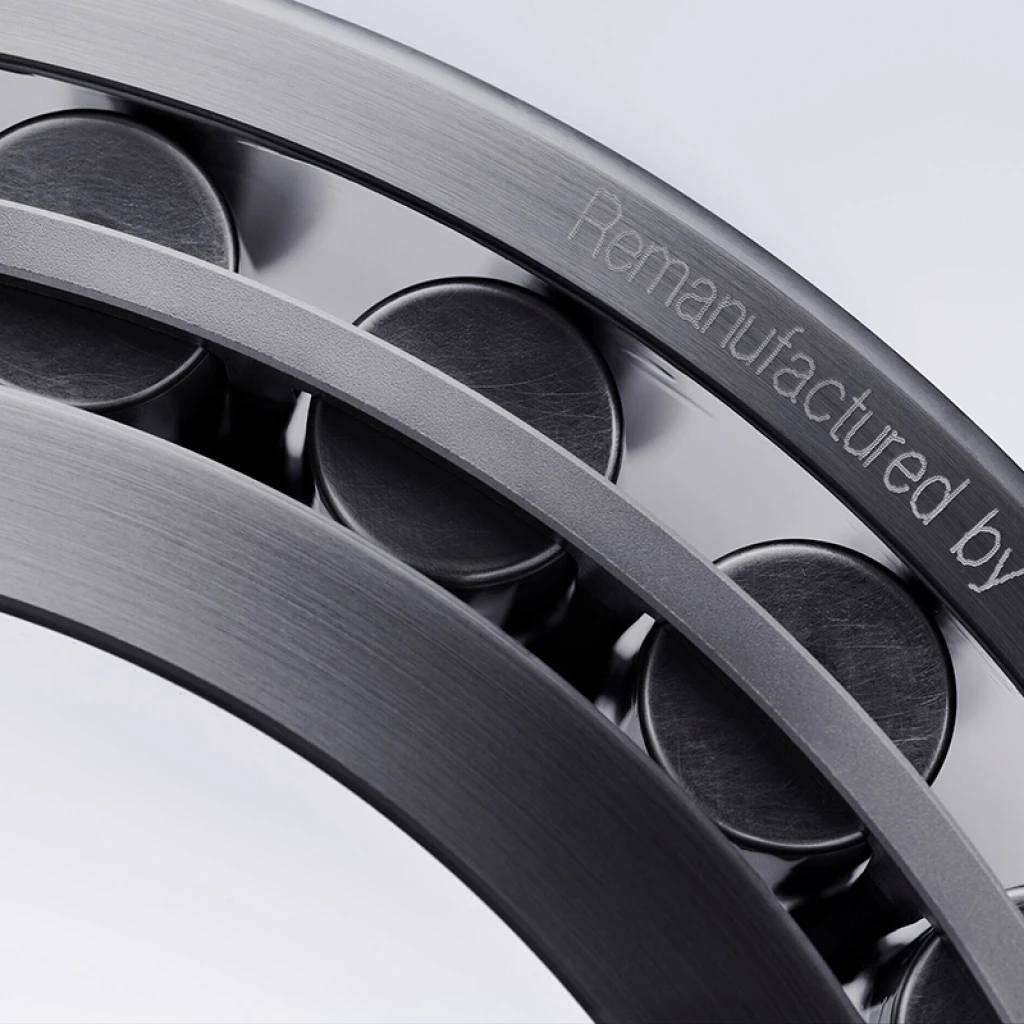
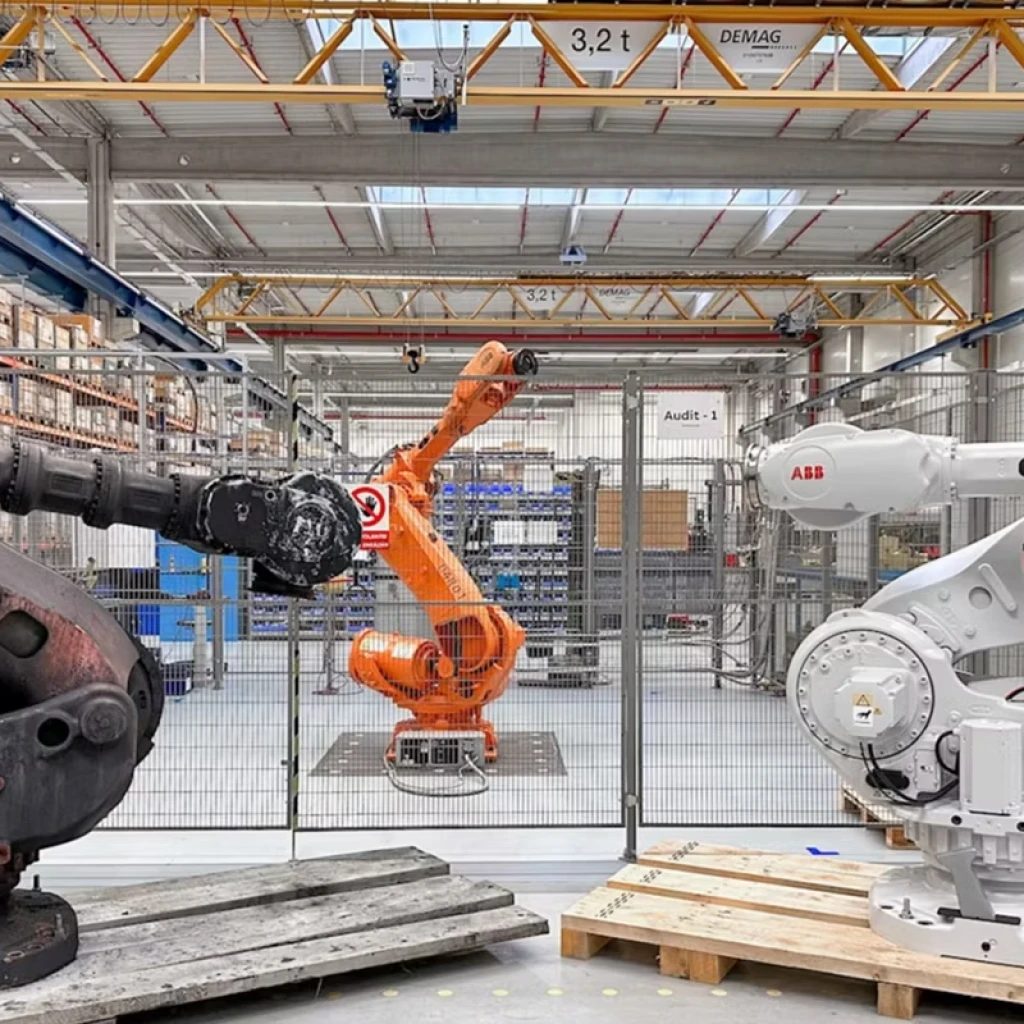
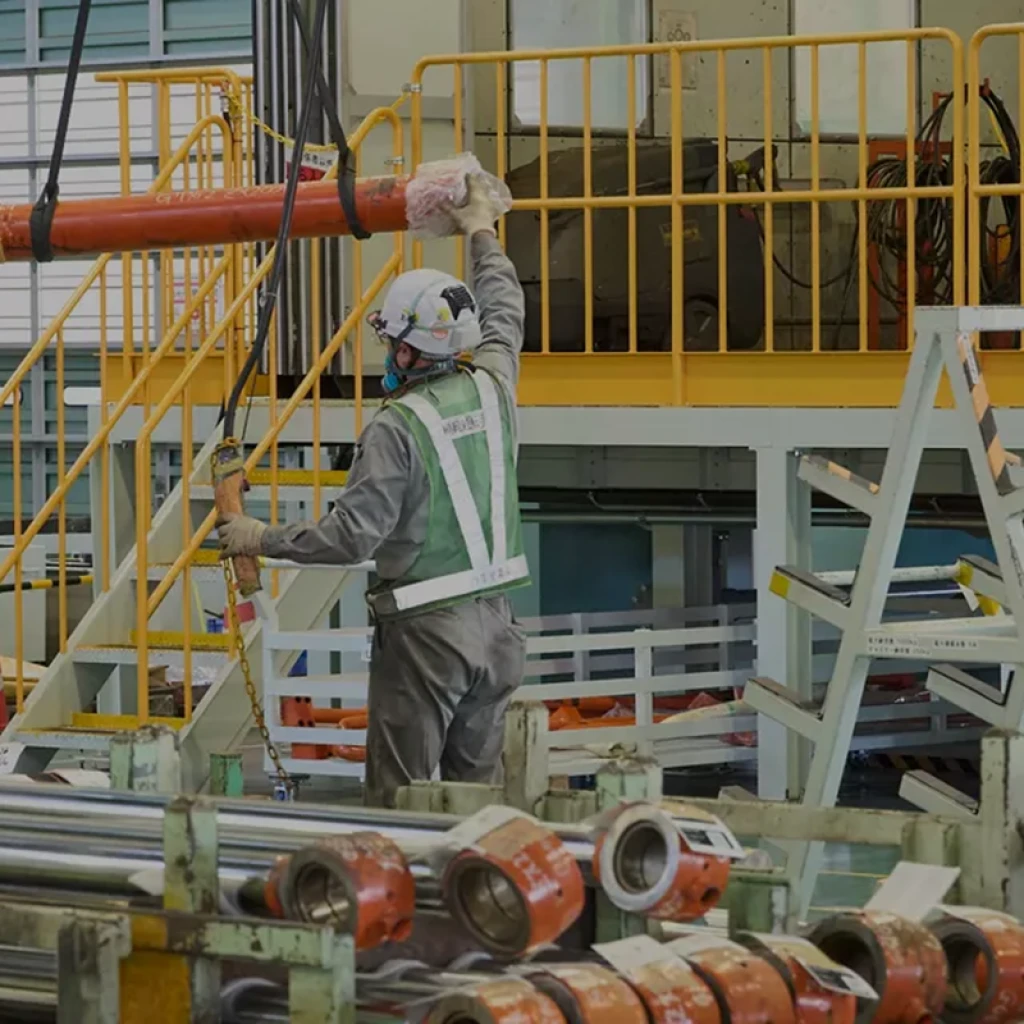
Hitachi Construction Machinery Global remanufactures mining and construction parts into reliable components with performance and warranties equal to those of new components.
Litteraturcase
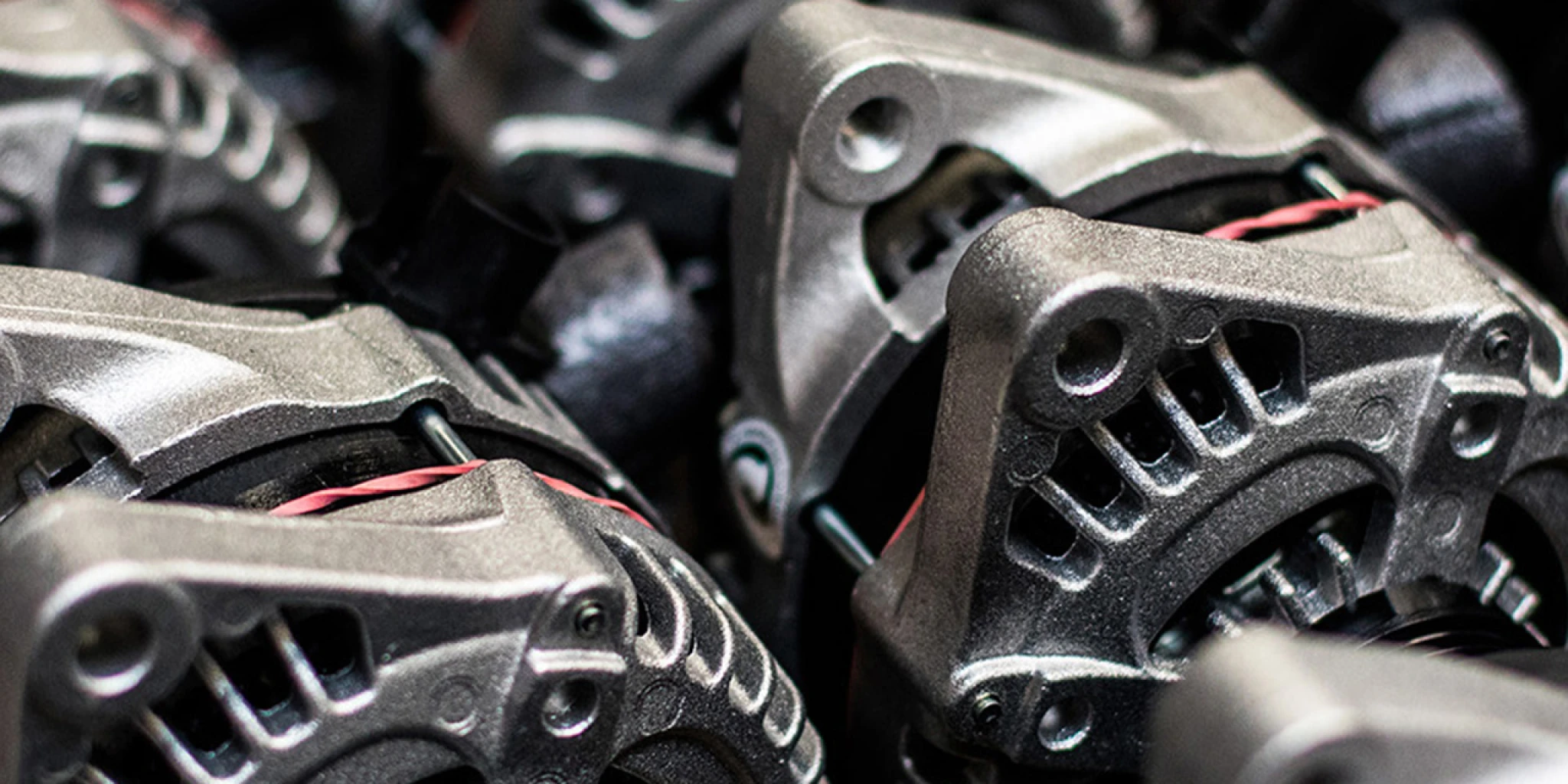
BORG Automotive remanufactures automotive starters, alternators and steering systems at scale, combining high automation with decades of aftermarket expertise.
BORG Automotive is a leading European independent manufacturer specialised in remanufacturing automotive parts for over 50 years, including starters, alternators, and steering systems. Since 1985, the company has grown to employ over 1.900 people and manages the largest core stock in Northern Europe. Operating through a family of brands including DRI, Elstock, TMI, and Lucas, BORG offers a comprehensive range of eight distinct product groups. By focusing on circularity, they provide essential parts to maintain the European car fleet while collaborating with knowledge institutions to advance the industry.
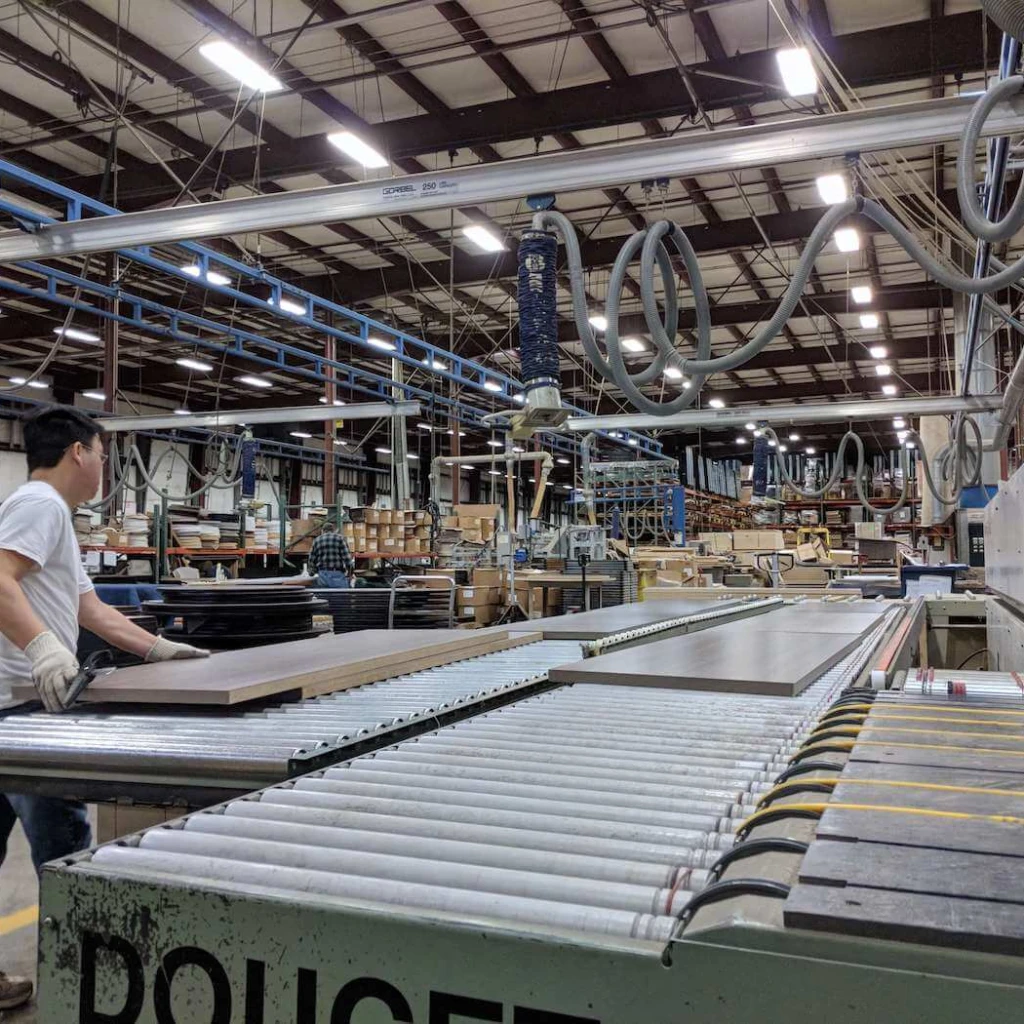
The remanufacturing process at BORG restores used cores to a condition that matches or even exceeds original equipment standards. It begins with the complete disassembly of cores, followed by intensive cleaning using methods like ultrasound and sandblasting. Components are then inspected and restored before being reassembled. Once reassembled, every unit is rigorously tested to guarantee as-new performance. Notably, this process allows BORG to identify and eliminate weaknesses found in the original design, often resulting in a more reliable product.
To ensure a steady supply of raw materials, BORG employs a surcharge model that incentivises customers to return old parts. When a remanufactured unit is sold, a surcharge is added to the price, which is later refunded once the customer sends the replaced core back to BORG. This effective system currently accounts for the vast majority of the cores needed to meet market demand. The remaining portion is sourced from independent core suppliers to cover growth and lost units. Collected cores are stored in warehouses, awaiting further processing.
While BORG primarily functions as a remanufacturer rather than an original designer, its practices involve a systematic analysis of original equipment design flaws. By processing vast numbers of cores, the company can identify recurring product errors and mitigate the effects of unfortunate design choices made by original manufacturers. This technical expertise enables them to re-engineer certain components during remanufacturing to prevent future failures. These improvements ensure that the final product not only looks like a brand-new unit but also performs with greater reliability than in its original state.
BORG’s business model is built on providing a one-stop shop for the automotive aftermarket, specifically targeting vehicles between three and fifteen years old. For these older cars, original spare parts are frequently unavailable or prohibitively expensive, making remanufactured alternatives the most viable solution. By offering a full coverage program across eight product categories, BORG remanufactures today over 2 million cores yearly, providing high availability and short delivery times thanks to a network of production facilities and warehouses. BORG also relies on strong customer service and a platform for customers to access relevant data about their invoices, orders, and products.
To validate the environmental benefits of its circular model, BORG conducts extensive sustainability screenings through Life Cycle Assessments. In collaboration with Linköping University, these assessments follow ISO standards to measure the impact of all eight product families. This data-driven approach allows BORG to identify further optimisation potentials within its production processes. Their remanufacturing process results in an average of 60% less CO2eq emitted, 42% less energy (MJ) consumed, and 70% less erosion of nature's non-renewable raw materials (Sb-eq).